

Trading:
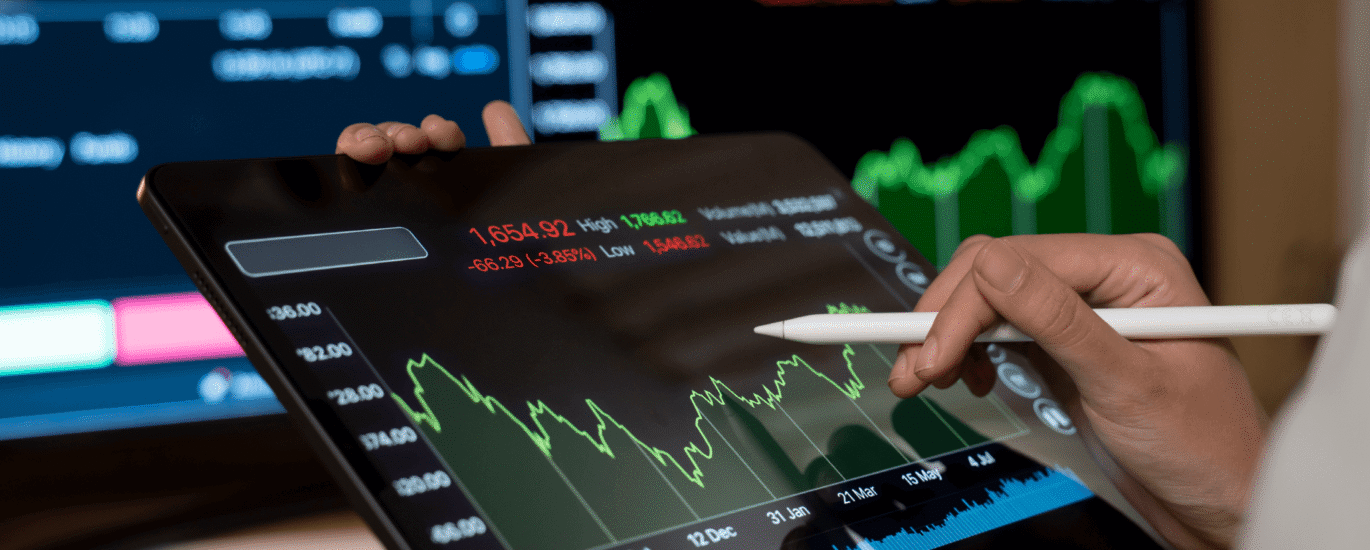
Trading has become one of the most popular ways to participate in financial markets and potentially grow wealth. With the rise of online platforms and mobile apps, people around the world can now buy and sell assets directly from their phones or computers. But while trading can be rewarding, it also carries significant risks. Understanding the basics is essential before entering the market.
What is Trading?
Trading is the process of buying and selling financial assets with the goal of making a profit. Traders aim to purchase an asset at a lower price and sell it at a higher price, or in some markets, sell first and buy later when the price drops.
Financial markets offer many types of assets that traders can trade, including:
- Stocks – Shares of companies listed on stock exchanges
- Currencies (Forex) – Trading different currencies against each other
- Cryptocurrencies – Digital assets like Bitcoin and Ethereum
- Commodities – Gold, oil, and agricultural products
- Indices – Groups of stocks that represent a market sector
Each market operates differently and requires specific knowledge and strategies.
Types of Trading
There are several common trading styles depending on how long traders hold their positions:
1. Day Trading
Day traders buy and sell assets within the same day. They try to take advantage of small price movements. This style requires strong discipline, quick decision-making, and constant monitoring of the market.
2. Swing Trading
Swing traders hold positions for several days or weeks. They aim to capture short-term trends and price swings within the market.
3. Position Trading
Position traders hold trades for months or even years. They focus more on long-term market trends rather than short-term fluctuations.
4. Scalping
Scalping involves making many small trades throughout the day to earn small profits repeatedly. It requires fast execution and deep market understanding.
Key Skills Every Trader Needs
Successful traders often develop a combination of analytical, psychological, and risk management skills.
Market Analysis
Traders analyze markets using two main approaches:
- Technical Analysis – Studying charts, patterns, and indicators
- Fundamental Analysis – Evaluating economic data, news, and company performance
Risk Management
Managing risk is one of the most important parts of trading. Professional traders never risk a large portion of their capital on a single trade. Tools like stop-loss orders help limit potential losses.
Emotional Discipline
Fear and greed are two emotions that can strongly influence trading decisions. Successful traders stick to their strategy and avoid impulsive trades.
Advantages of Trading
Trading attracts many people for several reasons:
- Potential to generate income
- Flexibility to trade from anywhere
- Access to global financial markets
- Opportunities in both rising and falling markets
However, it is important to remember that profits are never guaranteed.
Risks Involved in Trading
Trading also carries significant risks. Markets can be unpredictable, and beginners often lose money due to lack of knowledge or emotional decision-making.
Some common risks include:
- Market volatility
- Poor risk management
- Overtrading
- Lack of trading strategy
Because of these risks, beginners should start with small investments or practice using demo accounts.
Tips for Beginners
If you are new to trading, consider the following tips:
- Learn the basics before investing real money
- Use a demo account to practice trading strategies
- Start with a small trading capital
- Focus on risk management
- Keep a trading journal to track performance
Trading is not a shortcut to instant wealth, but with patience, education, and discipline, it can become a valuable financial skill.
Conclusion
Trading offers exciting opportunities in financial markets, but it requires knowledge, practice, and emotional control. By understanding different trading styles, developing strong strategies, and managing risk effectively, traders can improve their chances of long-term success.
Whether you are trading stocks, forex, or cryptocurrencies, the key is continuous learning and responsible decision-making.
Remember: In trading, protecting your capital is just as important as making profits.
