
Introduction
In the digital age, video content has become one of the most powerful forms of communication. From social media platforms and YouTube channels to films and advertisements, video plays a major role in how information and stories are shared. Behind every engaging video is the important process of video editing.
Video editing is the art of arranging, modifying, and improving video clips to create a final polished product. It allows creators to tell stories, add effects, improve visuals, and deliver a message effectively. Whether you want to become a content creator, filmmaker, or social media influencer, learning video editing is an essential skill.
This blog will introduce you to the basics of video editing, its importance, tools used by editors, and tips for beginners.
What is Video Editing?
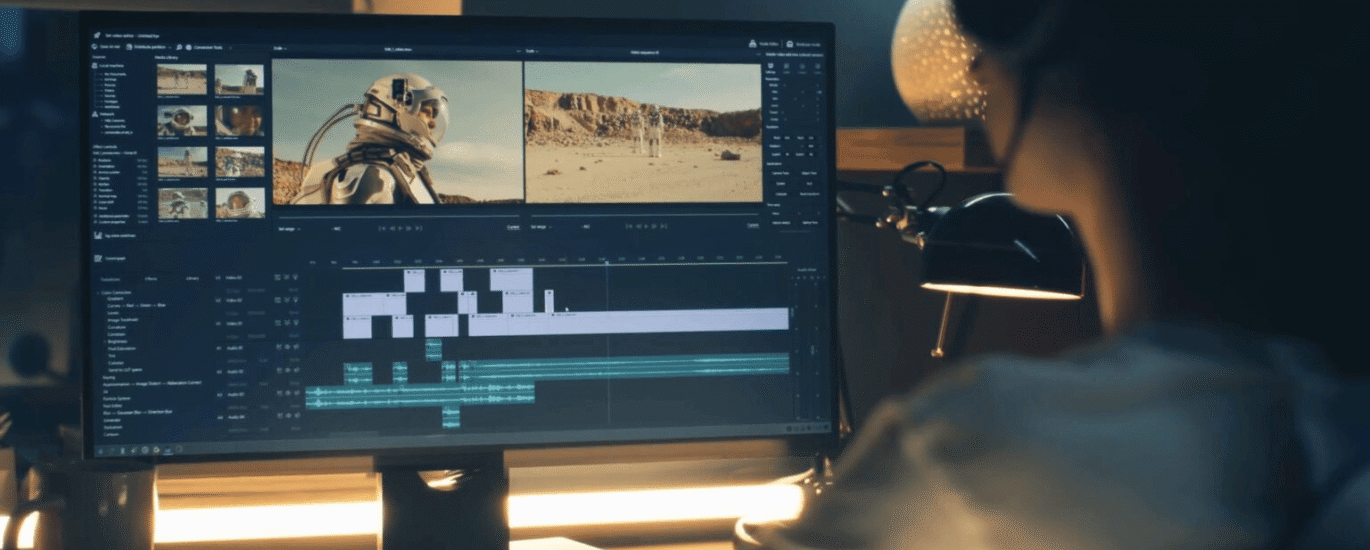
Video editing is the process of manipulating and arranging video clips, audio, images, and effects to produce a final video. Editors cut unnecessary footage, add transitions, improve sound, and enhance visuals to make the content more engaging and professional.
The main goal of video editing is to create a smooth and meaningful flow that captures the viewer’s attention and clearly communicates the message.
Video editing is used in many fields including filmmaking, marketing, education, social media, and journalism.
Importance of Video Editing
Video editing plays a crucial role in content creation. Raw footage often contains mistakes, pauses, or unwanted scenes. Editing helps remove these issues and transform raw clips into a polished video.
Good video editing can:
- Improve the quality of the video
- Make content more engaging
- Help tell a clear story
- Add music, effects, and graphics
- Capture and keep the viewer’s attention
Without editing, even the best footage may look unprofessional or confusing.
Basic Steps in Video Editing
Video editing usually follows several important steps.
1. Importing Footage
The first step is importing video clips, images, and audio files into the editing software.
2. Cutting and Trimming
Editors remove unnecessary parts of the footage and keep only the important scenes.
3. Arranging Clips
Clips are placed in a specific order to create a logical story or sequence.
4. Adding Transitions
Transitions such as fades or slides are added between clips to make scene changes smoother.
5. Adding Audio and Music
Background music, voiceovers, and sound effects are added to improve the viewer’s experience.
6. Color Correction and Effects
Editors adjust brightness, contrast, and colors to make the video visually appealing. Special effects and text may also be added.
7. Exporting the Final Video
Finally, the edited video is exported in the desired format and resolution for sharing or publishing.
Popular Video Editing Software
Many tools are available for video editing, ranging from beginner-friendly apps to professional software.
Some popular video editing tools include:
- Adobe Premiere Pro
- Final Cut Pro
- DaVinci Resolve
- Filmora
- CapCut
These programs provide features like cutting tools, visual effects, color grading, and audio editing.
Beginners often start with simple tools before moving to advanced professional software.
Skills Needed for Video Editing
Becoming a good video editor requires both technical and creative skills.
Important skills include:
Creativity – The ability to tell a story through visuals and sound.
Attention to Detail – Small edits can make a big difference in the final video.
Understanding Timing – Knowing when to cut scenes or add transitions.
Technical Knowledge – Learning how editing software works.
Patience – Editing can take time and careful adjustments.
With practice, these skills improve and help editors create better content.
Tips for Beginners
If you are new to video editing, here are some helpful tips:
Start with simple projects such as short social media videos.
Learn the basic tools of your editing software before using advanced effects.
Keep your videos simple and avoid adding too many effects.
Watch tutorials and learn from experienced video editors.
Practice regularly and experiment with different styles and techniques.
The more you practice, the more confident and skilled you will become.
Future of Video Editing
Video editing is becoming even more important as video content continues to grow across the internet. Platforms like YouTube, TikTok, and Instagram rely heavily on creative video content.
Advances in technology, including artificial intelligence and faster editing software, are making the editing process easier and more powerful. This creates many career opportunities for skilled video editors in media, marketing, entertainment, and online content creation.
Conclusion
Video editing is a powerful skill that allows creators to turn raw footage into engaging and professional content. By learning the basics, practicing regularly, and exploring creative ideas, anyone can develop strong video editing abilities.
Whether you want to create YouTube videos, social media content, or professional films, video editing is a valuable skill that can help you share stories and ideas with the world.
With dedication and creativity, you can turn simple clips into compelling visual experiences.